
Effective January 1, 2027, California's Assembly Bill 1795, the Smoke Damage Recovery Act, establishes protections for residential wildfire smoke-damage claims and new requirements for insurers and claims professionals.
Coverage, testing, and safe occupancy
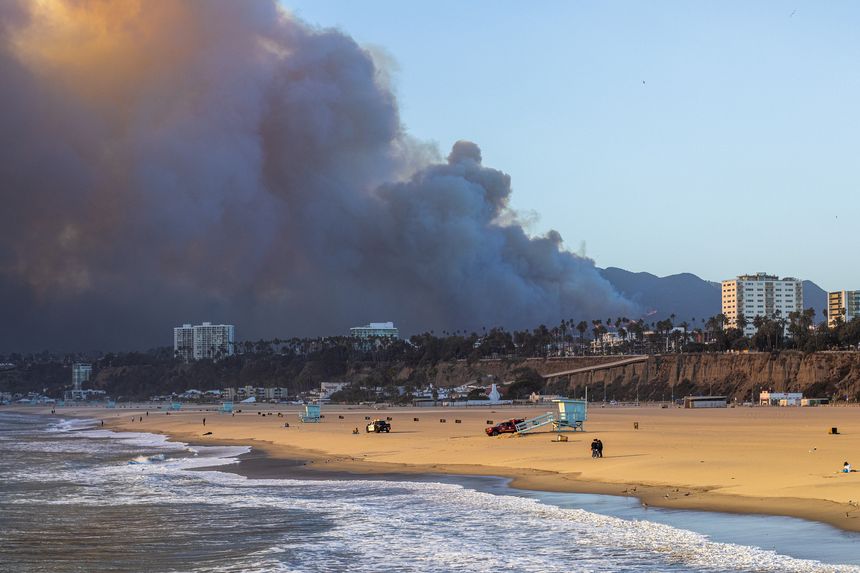
The Act creates a rebuttable presumption that smoke damage resulted from a wildfire when wildfire smoke, ash, soot, char, or combustion byproducts are present in a surviving residential property within the "wildfire impact zone." That zone includes ZIP codes wholly or partly within the fire perimeter.
For covered claims within that zone, insurers cannot terminate additional living expense coverage before the property is restored to pre-loss condition and cleared for human occupancy under the referenced regulations or guidance, subject to the applicable policy limit. Insurers must also cover necessary sampling and testing, subject to policy terms.
Restoration encompasses structural elements, building systems, contents, and the indoor environment, but excludes vegetation, soil, and upgrades beyond the property's pre-loss condition.
Inspection and payment deadlines
Insurers choosing to inspect must do so as soon as practicable and within 30 calendar days after claim notice, or after access is granted if government restrictions prevent entry.
Unless the policyholder agrees to insurer-arranged restoration, undisputed actual cash value payments for personal-property restoration are due as soon as practicable and within 30 calendar days after inspection. Undisputed actual cash value for personal property deemed a total loss is due within 30 days of that determination.
Subject to the statutory conditions, undisputed replacement-cost restoration payments are due within 30 calendar days after restoration is completed, up to applicable policy limits. Undisputed replacement costs for covered personal property are due within 30 days after receipt of the purchase receipt. Late payments accrue statutory interest.
Contractor choice and professional standards
Insurers settling claims using written scopes or estimates must provide the supporting documents. Policyholders retain the right to choose their restoration contractor, while insurer-hired or referred vendors must hold required state licenses, training, and certifications.
Recontamination after restoration and occupancy clearance is treated as a new claim, subject to policy provisions and a new deductible, rather than reopening the original claim.
By July 1, 2029, the Department of Insurance must develop smoke-damage training and certification programs for insurer-side and public adjusters, which is mandatory to adjust any such claims. Cal/OSHA must also propose worker-protection regulations, including certification requirements, by that date.
Further review of coverage gaps
The Act requires studies of insurance gaps and emergency-response issues exposed by the Lineage warehouse fire, with reports due in December 2027 and July 2028, respectively. These provisions examine potential new coverage triggers, including voluntary evacuation, but do not themselves establish those additional coverage rights.